Kids Self-Defense Classes: How Brazilian Jiu-Jitsu Helps Children Stay Safe and Confident
Parents searching for kids self-defense classes usually want more than a list of techniques. They want a program that helps their child recognize unsafe situations, communicate clearly, stay calm under pressure, and get away safely when possible. Brazilian Jiu-Jitsu can support those goals through age-appropriate training that emphasizes awareness, control, problem-solving, and confidence rather than aggression.
At Skyline Jiu-Jitsu in Waynesboro, Virginia, children learn in a structured environment where safety and respect come first. Kids practice with coaches and classmates, learn how to follow instructions, and gradually build physical skills through games, drills, and carefully supervised positional work. For families in Waynesboro, Fishersville, Charlottesville, and throughout the Shenandoah Valley, a quality BJJ program can be both a practical introduction to self-defense and a positive weekly activity.
What Should Kids Self-Defense Classes Teach?
Effective self-defense for kids begins long before a physical technique. A child should understand that the goal is not to win a fight or prove toughness. The goal is to notice danger early, use their voice, create distance, find a trusted adult, and leave an unsafe situation. Physical skills are a last line of defense—not an invitation to confront someone.
A well-rounded program should help children develop several layers of safety:
- Awareness: paying attention to surroundings, recognizing uncomfortable behavior, and identifying safe adults and exits.
- Communication: using a confident voice, setting boundaries, saying “stop,” and asking for help.
- De-escalation: avoiding unnecessary confrontation and making smart choices when emotions run high.
- Movement: staying balanced, managing space, and moving toward safety.
- Control and escape: learning age-appropriate ways to protect personal space and disengage from common holds.
That combination is why parents should look beyond flashy demonstrations when comparing martial arts for children. The best class teaches judgment and responsibility along with physical skill.
Why Brazilian Jiu-Jitsu Works Well for Children
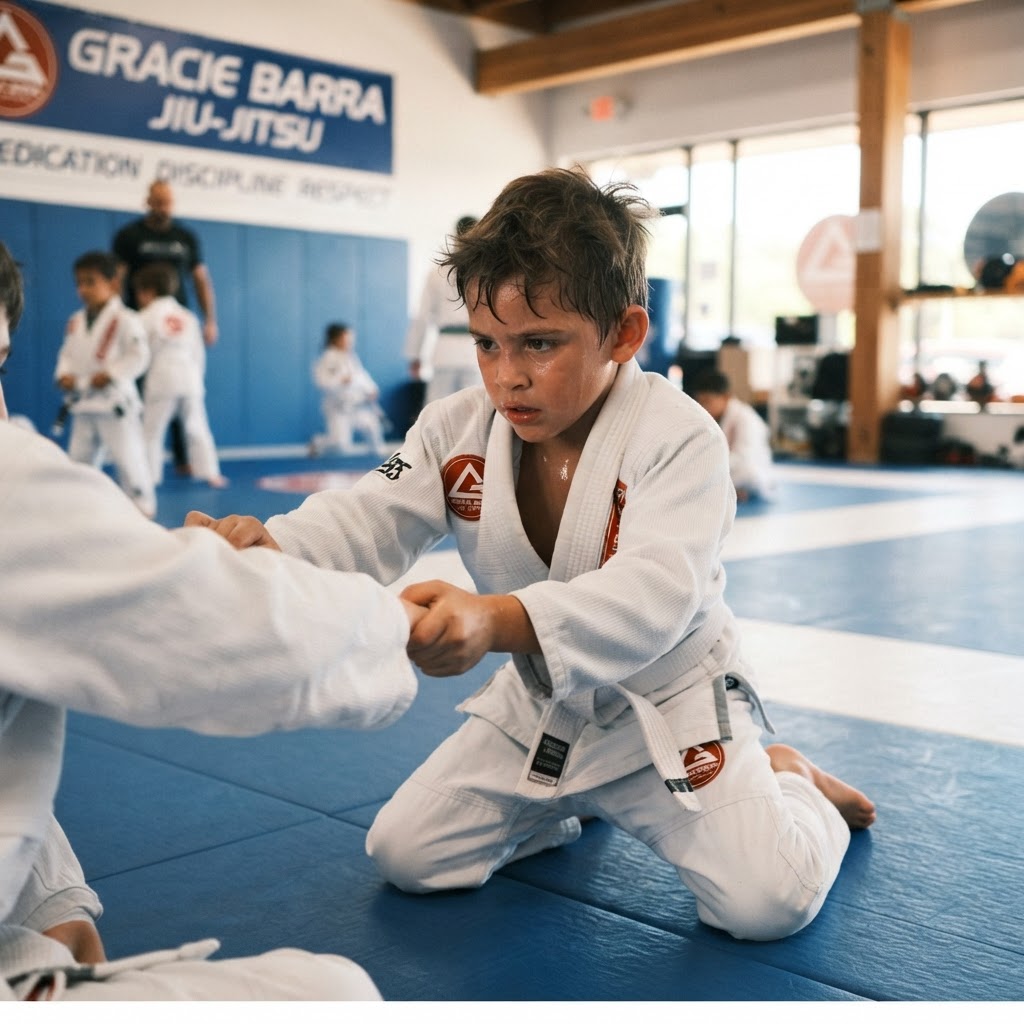
Brazilian Jiu-Jitsu is a grappling art. Instead of relying on punches or kicks, students learn leverage, positioning, balance, and controlled movement. In a kids BJJ class, children can practice these concepts with a partner in a way that is challenging but measurable. They learn how to solve a problem, adjust when the first attempt does not work, and stay composed while working from an uncomfortable position.
This is especially useful for children who may be smaller than a potential aggressor. BJJ does not promise that size and strength never matter, but it teaches students to use structure and technique intelligently. A child learns that being knocked off balance does not mean being helpless, and that a difficult situation can be handled one step at a time.
Training is also interactive. Children do not simply watch an instructor perform a move and repeat it in the air. They learn through controlled practice, which helps them understand timing, distance, and body position. Coaches can modify drills for age, size, experience, and comfort level.
Five Self-Defense Skills Kids Can Build Through BJJ
1. Staying calm under pressure
New students often feel nervous when they first step onto the mat. With patient coaching, they learn to breathe, listen, and make a decision even when a partner is applying light pressure. That experience can transfer beyond the gym. A child who has practiced staying calm during a challenging drill may be better prepared to think clearly during a disagreement, a fall, or an unfamiliar situation.
2. Protecting personal space
Children should know that they are allowed to have boundaries. BJJ drills teach balance, posture, frames, and movement while reinforcing the importance of consent and controlled contact. Coaches can explain the difference between safe training touch and behavior that is inappropriate or unwanted. These lessons support body awareness without teaching children to seek physical conflict.
3. Escaping common grabs and pins
Age-appropriate self defense for kids may include learning how to move from underneath pressure, protect the head and neck, create space, and return to a safer position. The emphasis should be on escaping and getting help—not holding someone down longer than necessary. A reputable academy keeps the drills controlled and makes sure children understand when to stop.
4. Using leverage instead of panic
Jiu-Jitsu introduces children to the idea that technique can make movement more efficient. They learn to use angles, frames, and body position rather than relying only on force. This develops patience and problem-solving. It also gives children a healthier definition of strength: strength includes control, awareness, and the ability to make a safe choice.
5. Recognizing when to disengage
One of the most important lessons in kids self-defense classes is knowing when not to engage. Coaches should repeatedly reinforce that running to safety, finding a teacher, calling a parent, or alerting another trusted adult is often the best response. BJJ training should build confidence without creating overconfidence.
READY TO TRY BRAZILIAN JIU-JITSU?
Claim a FREE trial class at Skyline Jiu-Jitsu today!
Serving Waynesboro, Charlottesville, Fishersville & the Shenandoah Valley
Can Kids BJJ Help With Bullying?
No martial art can guarantee that a child will never experience bullying, and physical training should never replace communication with parents, teachers, counselors, or school administrators. However, a positive BJJ program can give children tools that may help them respond more effectively and confidently.
Regular practice can improve posture, coordination, and self-belief. Children also learn how to speak up, set limits, accept coaching, and recover after making mistakes. Those habits may make it easier for a child to report a problem instead of hiding it. Just as importantly, a supportive academy gives students a community where they are expected to treat others with respect.
When discussing bullying with a child, keep the message simple: tell a trusted adult, use a clear voice, move toward other people, and do not retaliate to prove a point. Anti-bullying martial arts should reinforce those choices rather than encourage revenge.
What Happens in a Typical Kids Self-Defense Class?
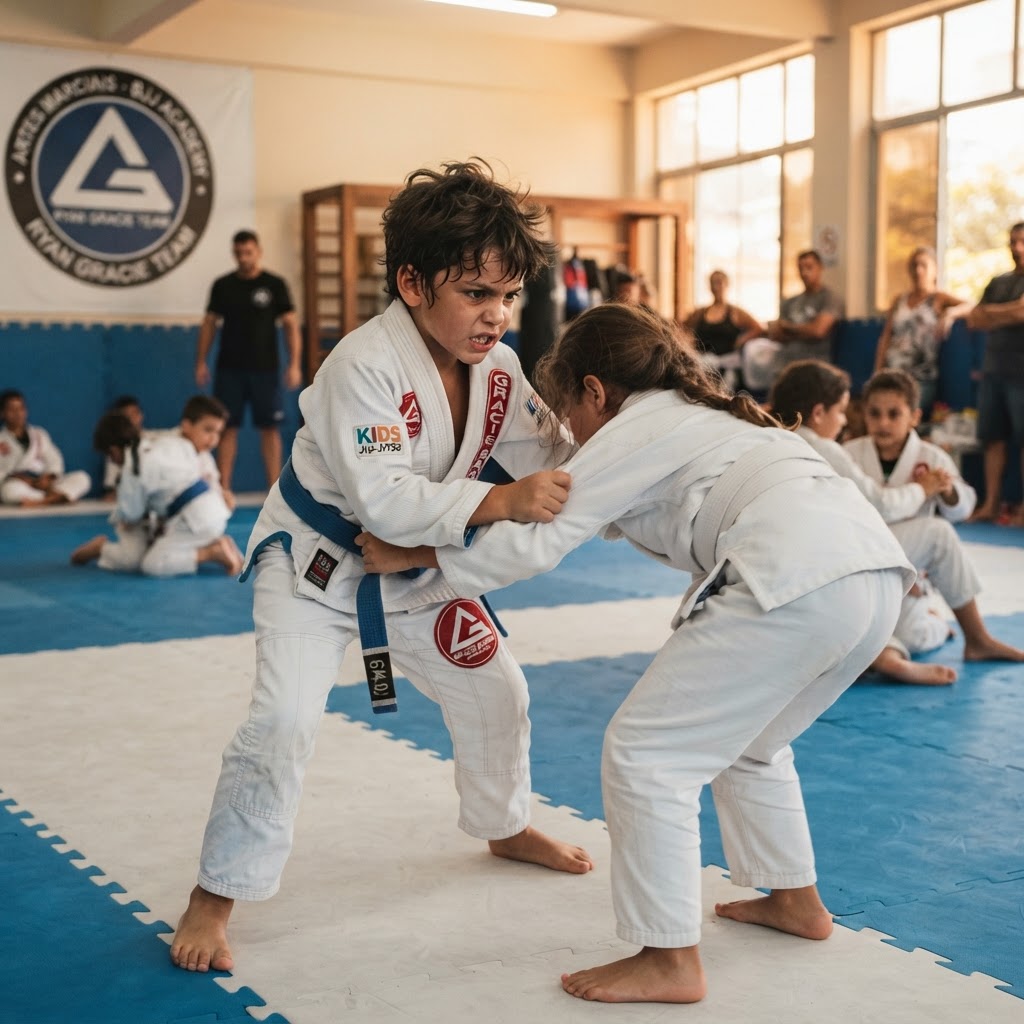
A good class is organized, energetic, and predictable. Younger students may begin with movement games that develop balance, coordination, listening, and body control. The instructor then introduces a skill or position, demonstrates it clearly, and gives students time to practice with a partner.
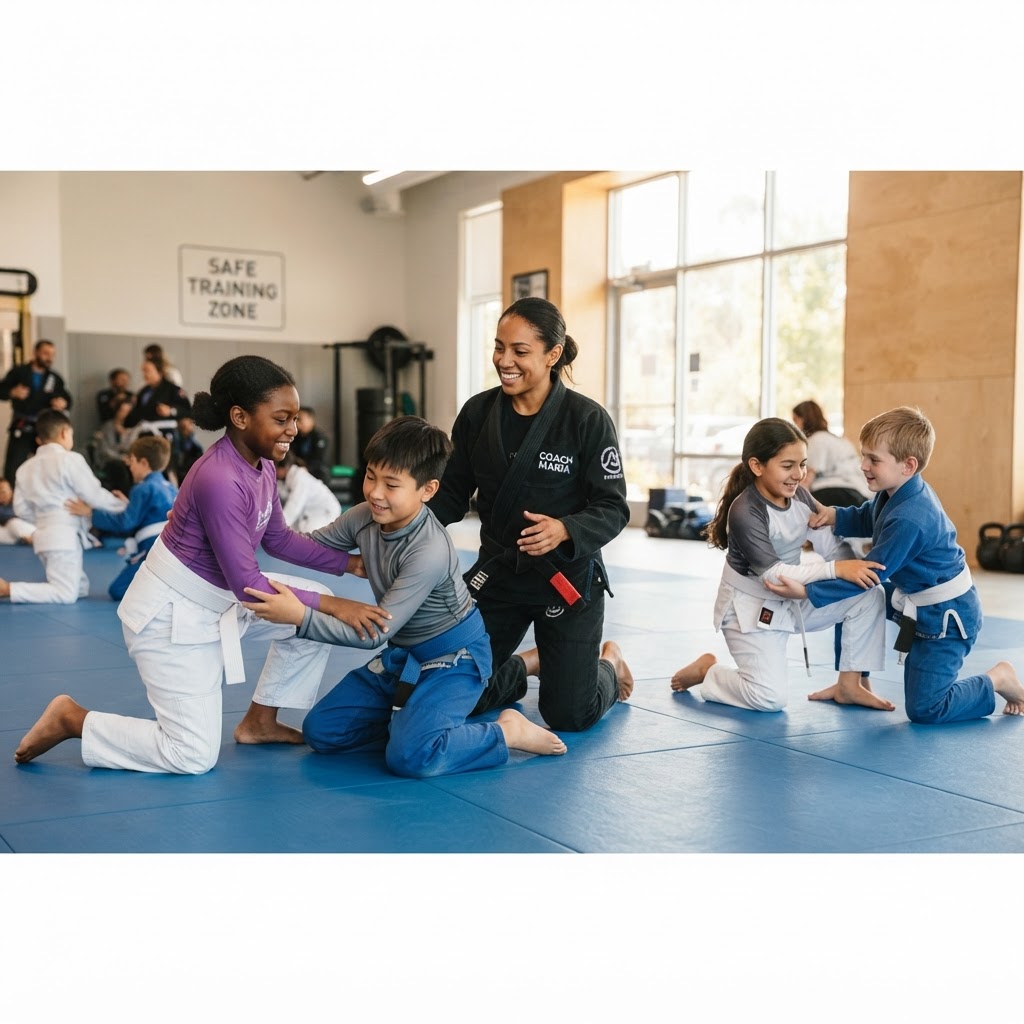
Classes commonly include warm-ups, technical instruction, partner drills, positional games, and a closing review. Coaches should explain safety rules in language children understand: tap or say stop, respect your partner, use controlled movement, and ask questions when something feels confusing or uncomfortable. Live practice should be supervised closely and adjusted for the students in the room.
Families considering a program should watch for instructors who know how to manage different ages and personalities. A confident coach can make a class fun without letting it become chaotic. Children should leave feeling challenged and encouraged—not frightened, embarrassed, or pressured to perform.
How to Choose Kids Self-Defense Classes Near Waynesboro
If you live in Waynesboro, Fishersville, Charlottesville, or another Shenandoah Valley community, convenience matters because consistency matters. Start by looking for a schedule that fits your family’s week. You can review the Skyline Jiu-Jitsu class schedule to see current training options.
Then consider these questions before enrolling:
- Does the instructor have a clear safety and supervision process?
- Are classes organized for children’s ages and experience levels?
- Does the program teach awareness, communication, and escape—not just physical techniques?
- Are children encouraged to tap, stop, and speak up without embarrassment?
- Does the academy create a welcoming environment for beginners?
It is also reasonable to ask about uniforms, class size, makeup policies, and pricing. Skyline’s pricing information can help families understand available options before visiting.
Why Confidence Is a Core Self-Defense Skill
Confidence is not about acting fearless. It is the ability to recognize a challenge, ask for support, and take the next sensible step. Children develop that kind of confidence when they see themselves improve through consistent effort.
In BJJ, progress is visible in small moments. A student remembers a sequence, maintains balance, helps a newer partner, or returns to class after a difficult day. Those wins build a realistic sense of capability. The child learns, “I can work through something hard,” instead of expecting every challenge to feel easy.
That mindset can influence school, sports, friendships, and family life. The mat becomes a place to practice patience, humility, focus, and resilience. For parents, those character benefits are often just as valuable as the physical self-defense curriculum.
Start With a Safe, Positive First Experience
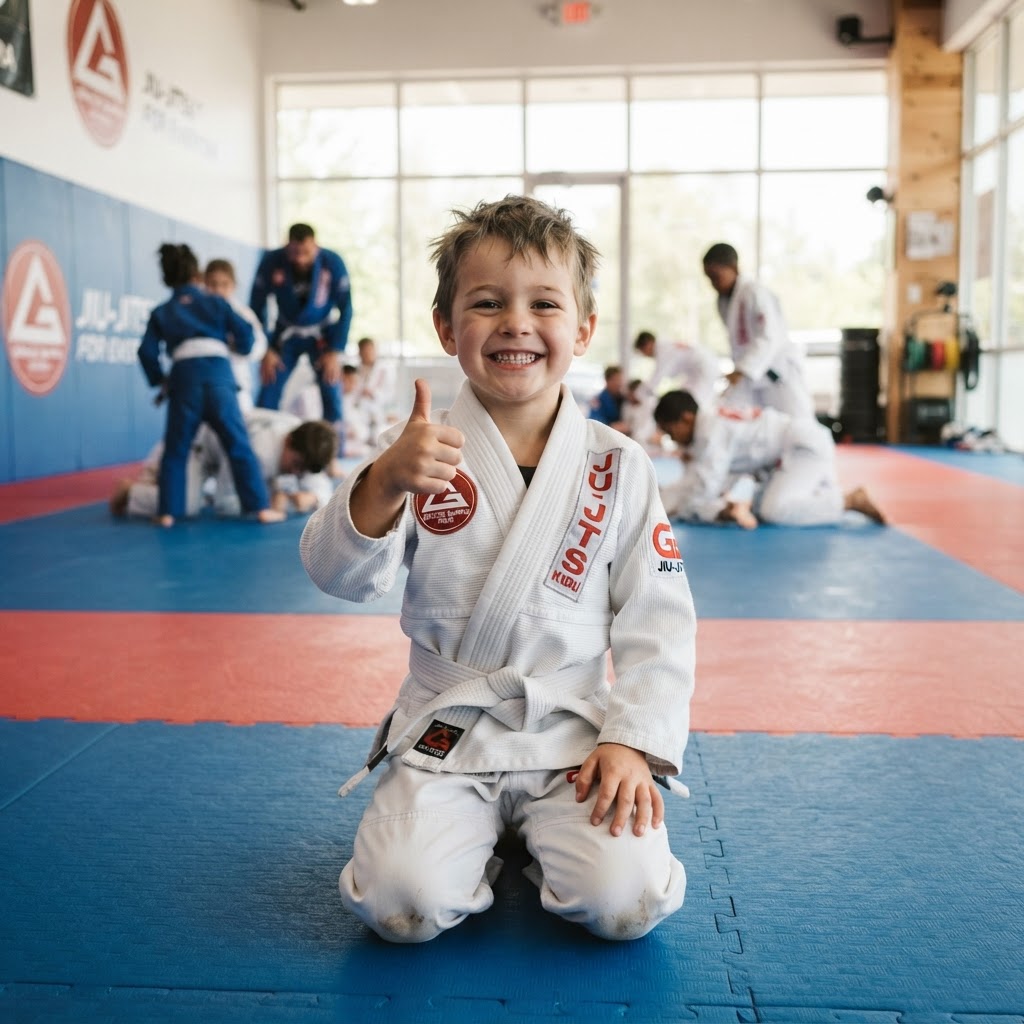
Your child does not need to be athletic, fearless, or experienced to begin. A first class should introduce the academy, coach, safety rules, and basic movements at a comfortable pace. Let your child ask questions and share how the experience felt afterward.
For more background, read our guide to choosing jiu jitsu for kids near you and learn why martial arts for kids can support focus and discipline. Families preparing for a new school-year routine may also find our guide to back-to-school activities for kids useful.
Related Posts
READY TO TRY BRAZILIAN JIU-JITSU?
Claim a FREE trial class at Skyline Jiu-Jitsu today!
Serving Waynesboro, Charlottesville, Fishersville & the Shenandoah Valley