After School Programs for Kids: Why Brazilian Jiu-Jitsu Beats Screen Time This School Year
Every parent in Waynesboro knows the 3:00 PM struggle. The school bell rings, your child comes home, and within minutes they're glued to a tablet, phone, or TV. You're not alone — the after-school hours are the highest screen-time window for kids aged 6-12, according to the American Academy of Child and Adolescent Psychiatry. That's exactly why families across the Shenandoah Valley are turning to after school programs for kids that actually build skills instead of just filling time. Brazilian Jiu-Jitsu (BJJ) is quickly becoming the go-to choice for parents who want their children active, engaged, and growing during those critical afternoon hours.
At Skyline Jiu-Jitsu in Waynesboro, Virginia, we've seen firsthand what happens when kids trade screen time for mat time. This guide breaks down why BJJ is one of the most effective after school activities available, how it supports academic performance, and what to look for when choosing the right program for your child this school year.
The Screen Time Problem: Why After-School Hours Matter Most
According to the CDC, children ages 8-10 spend an average of six hours per day in front of screens, and that number jumps to nine hours for tweens. A significant chunk of that time happens between 3:00 and 6:00 PM — the window between school dismissal and dinner. That's the same window where in-person after school programs for kids can make the biggest difference.
The research is clear: excessive screen time is linked to poorer sleep quality, reduced physical activity, attention difficulties, and lower academic performance. For kids coming home from a full day of sitting in classrooms, the worst thing they can do is sit down in front of another screen. What they need is structured physical activity that engages both their body and their mind.
Brazilian Jiu-Jitsu fills that gap perfectly. It's a full-body workout that also demands mental focus, problem-solving, and social interaction — the exact things screens don't provide. If you're exploring screen time alternatives for kids this school year, BJJ should be at the top of your list.
Why Brazilian Jiu-Jitsu Is the Ideal After-School Program
1. Structure and Discipline That Carries Over to School
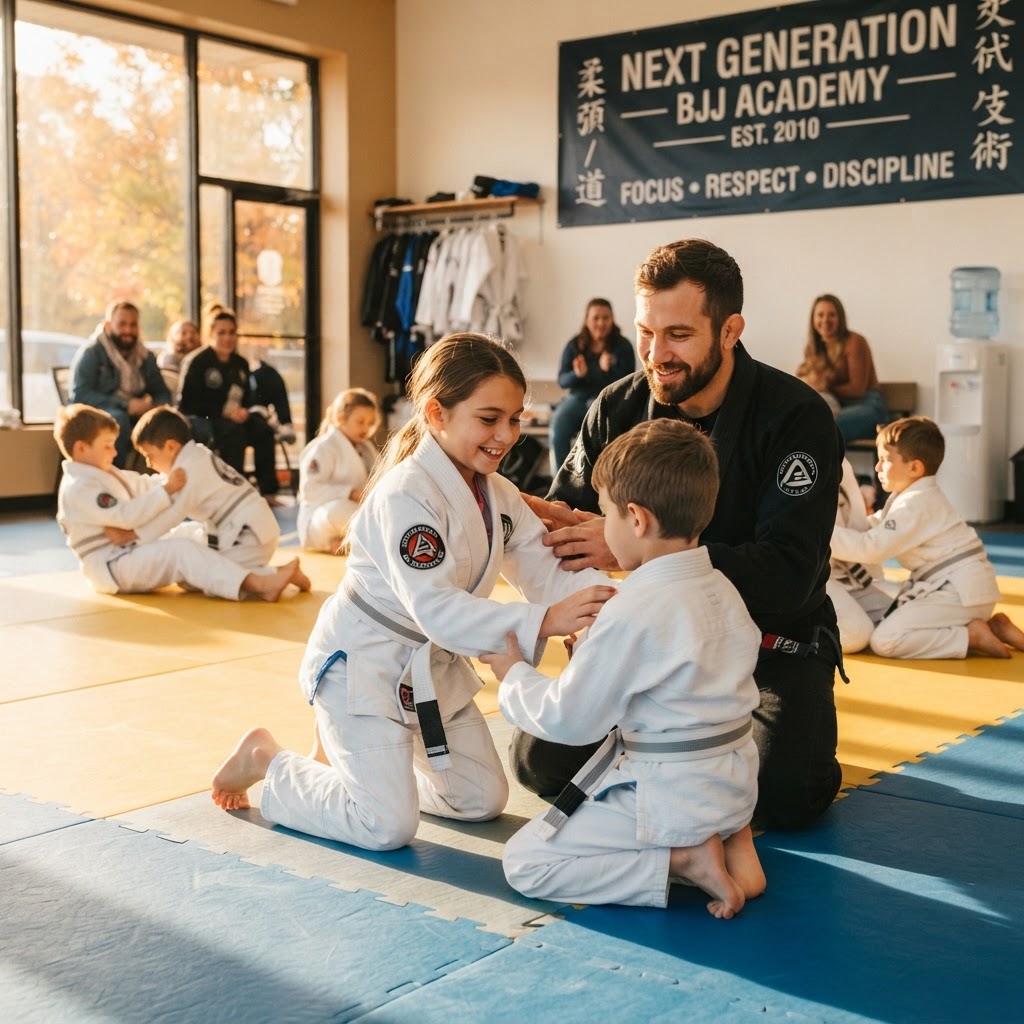
One of the biggest advantages of kids martial arts in Waynesboro is the structure. Every BJJ class starts with a warm-up, moves into technical instruction, includes controlled drilling with partners, and ends with a cool-down and recap. Kids learn to follow instructions, respect their instructors and training partners, and stay focused for the full class duration. These habits directly translate to the classroom — research has shown that students who participate in martial arts programs tend to show improvements in attention span, self-discipline, and academic performance.
If your child is transitioning to a new school year or struggling with classroom focus, the structured environment of BJJ classes can reinforce the same behaviors teachers are looking for. For more on how martial arts builds discipline and focus, check out our post on why martial arts for kids is the best extracurricular activity.
2. Physical Fitness Without the Boredom
Not every kid is a soccer player or a swimmer. Traditional team sports work for some children, but many kids — especially those who may be shy, less coordinated, or simply uninterested in ball sports — fall through the cracks. BJJ is different because it's an individual sport in a team-like environment. Every child gets personal attention from the instructor, and they all progress at their own pace. There's no bench to sit on and no pressure to perform in front of a crowd.
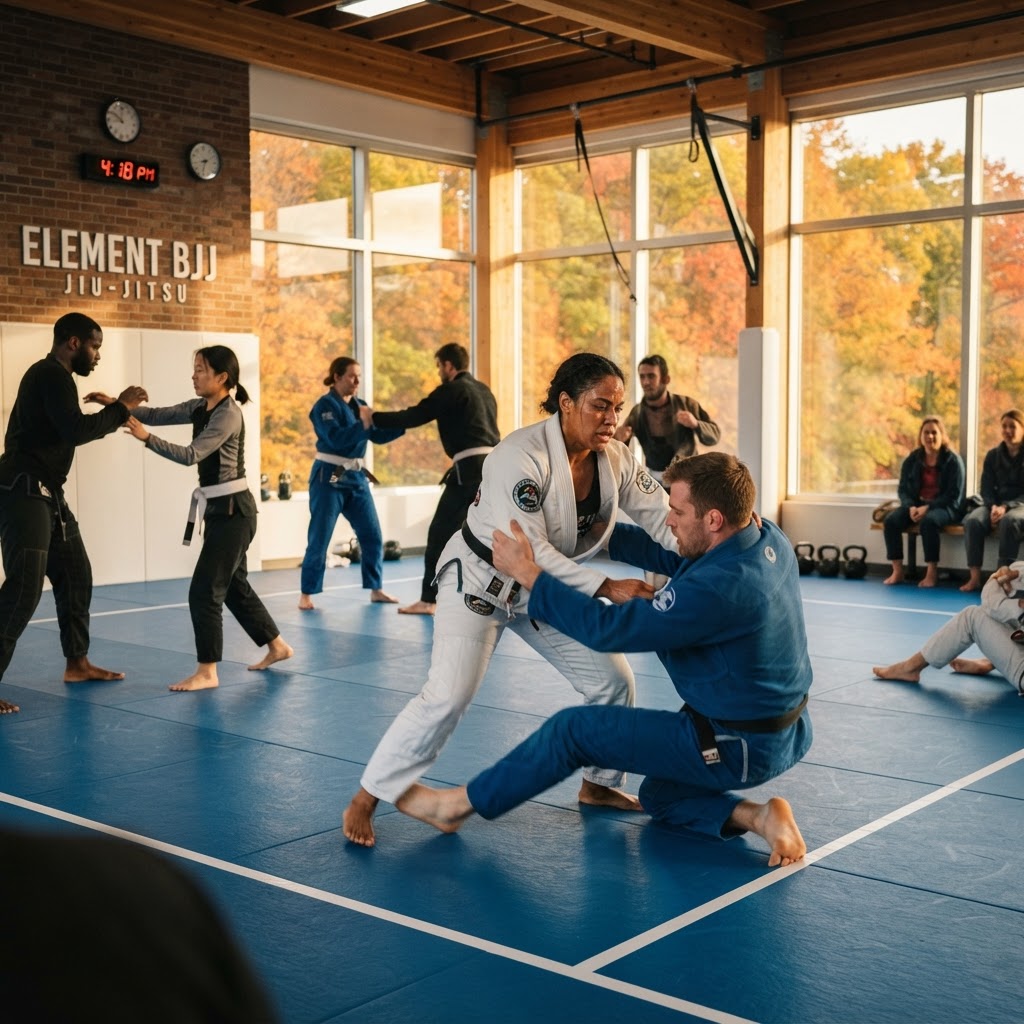
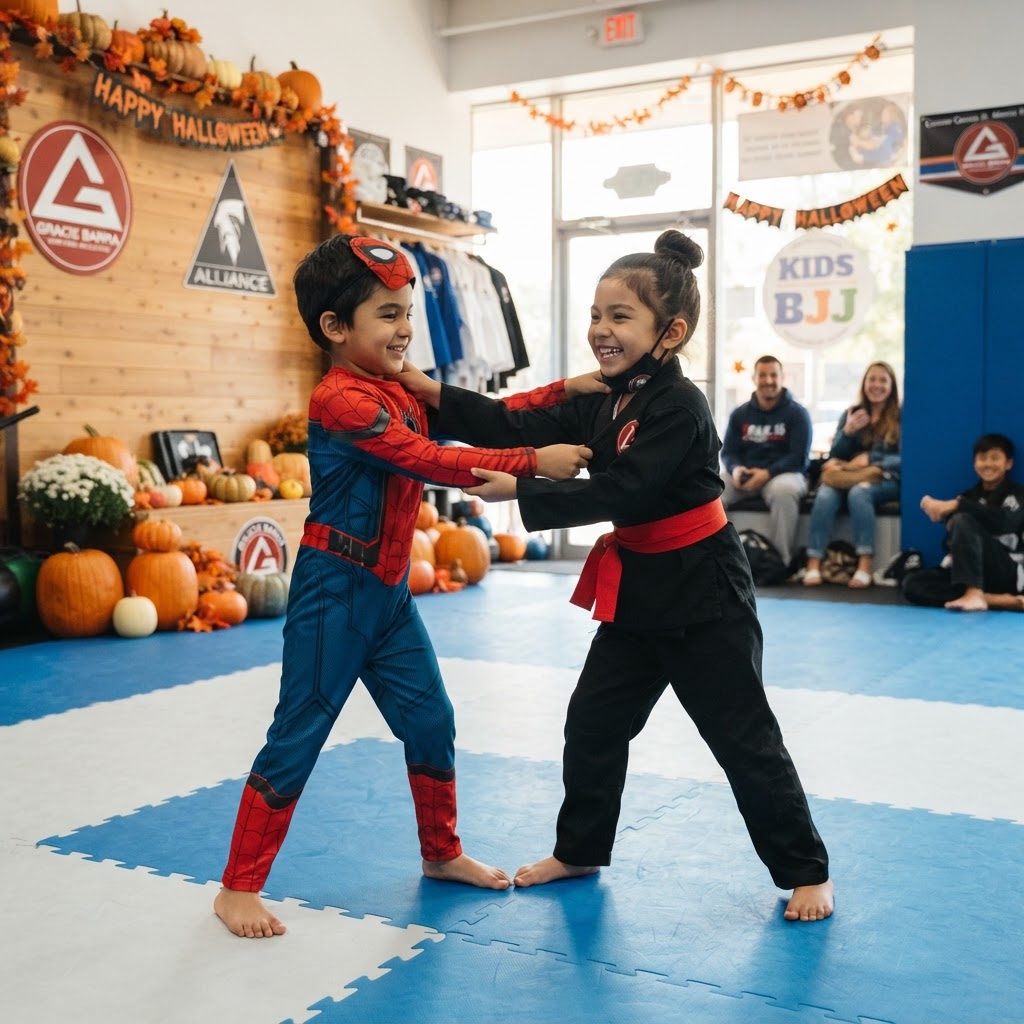
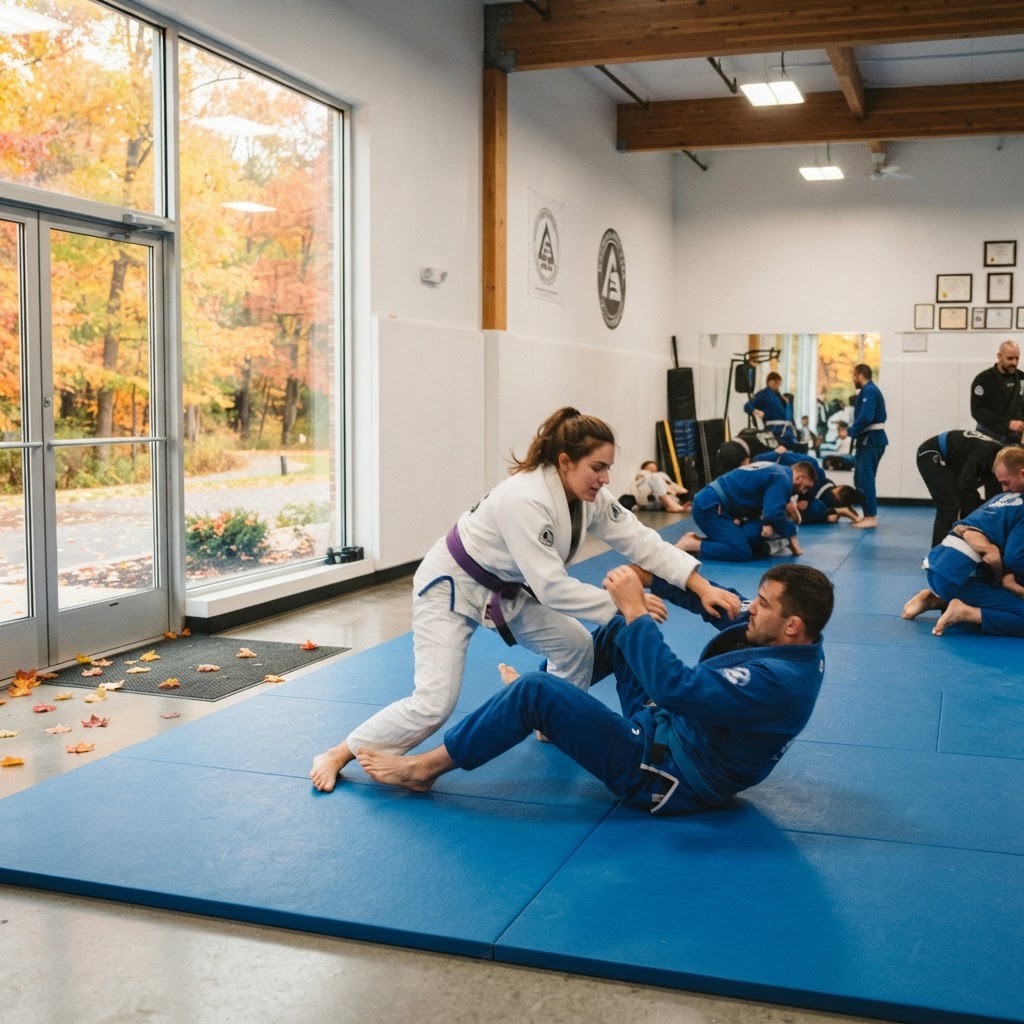
A typical kids' BJJ class involves grappling drills, movement exercises, and supervised sparring that develop strength, flexibility, coordination, and cardiovascular endurance. It's the kind of full-body activity that keeps kids engaged because every session is different — they're constantly learning new techniques and solving new problems on the mat. Parents in Fishersville and the greater Shenandoah Valley consistently tell us their kids actually look forward to class, and that enthusiasm is what makes an after-school program sustainable.
3. Real Self-Defense Skills That Build Confidence
Unlike many after-school programs that are essentially supervised playtime, BJJ teaches children practical, effective self-defense. Your child will learn how to escape from uncomfortable positions, defend against larger attackers, and de-escalate confrontations without throwing a single punch. This is especially important for kids self defense — Brazilian Jiu-Jitsu is widely considered one of the most effective martial arts for self-defense because it focuses on control and escape rather than striking.
But the deeper benefit is the confidence that comes with competence. Kids who know they can handle themselves physically carry themselves differently. They're less likely to be targeted by bullies, less anxious about new situations, and more willing to try new things. For more on this, read our guide on how BJJ helps children stay safe and confident.
4. A Screen-Free Social Environment
Brazilian Jiu-Jitsu is inherently social. Kids work with different partners every class, learning to communicate, trust, and support each other. They develop friendships that extend beyond the mat. In an era where so many kids socialize through screens and online games, a BJJ class offers genuine in-person interaction in a structured, supportive setting. This social aspect is a major reason families across Waynesboro, Fishersville, and Charlottesville choose BJJ over other after school options.
5. Mental Health Benefits That Support School Performance
The school year brings academic stress, social pressure, and for many kids, anxiety. BJJ is a proven outlet for managing these challenges. The physical exertion releases endorphins, the focused attention required during training acts as a form of active meditation, and the belt ranking system gives kids clear, achievable goals to work toward. This combination of physical activity and mental engagement is powerful for reducing stress and building resilience. We've explored this topic in depth in our article on how BJJ calms the mind and builds resilience.
READY TO TRY BRAZILIAN JIU-JITSU?
Claim a FREE trial class at Skyline Jiu-Jitsu today!
Serving Waynesboro, Charlottesville, Fishersville & the Shenandoah Valley
What to Look for in After School Programs for Kids
Not all after-school programs are created equal. When you're evaluating options in the Waynesboro area, here's what to prioritize:
- Qualified instructors: The coaches should have verifiable BJJ credentials and experience working specifically with children. Teaching kids requires a different skill set than teaching adults.
- A clean, safe facility: The mats should be clean, the space should be well-maintained, and safety protocols should be visible. Don't be afraid to tour the facility before signing up.
- Age-appropriate curriculum: Younger children need a different approach than older kids. The program should group children by age and skill level.
- Positive reinforcement culture: The environment should be encouraging, not intimidating. Kids should feel safe to make mistakes and learn from them.
- Flexible scheduling: The best programs work around your family's schedule. At Skyline Jiu-Jitsu, we offer multiple class times throughout the week.
If you're still deciding whether BJJ is right for your child, our post on what parents should know before the first class walks through everything you need to consider.
How BJJ Compares to Other After-School Options
BJJ vs. Traditional Daycare
Standard after-school daycare provides supervision but little skill development. Kids typically do homework and free play, which is fine, but it doesn't offer the structured physical and mental growth of a martial arts program. BJJ gives children something to work toward — belt promotions, technique mastery, and competitive opportunities — that daycare simply can't match.
BJJ vs. Team Sports
Team sports are great for kids who enjoy them, but seasons are short, and many kids who aren't naturally athletic can feel excluded. BJJ runs year-round, and every child participates fully in every class. There's no bench, no cuts, and no pressure to win games.
BJJ vs. Other Martial Arts
While karate and taekwondo are popular choices for kids, BJJ offers more practical self-defense techniques and a more dynamic training environment. Sparring (called rolling) is a core part of every BJJ class, giving kids hands-on experience applying techniques against a resisting partner — something many traditional martial arts programs lack. If you're curious about how BJJ works, check out our beginner's guide to Brazilian Jiu-Jitsu.
Making the Transition: Tips for Parents
Switching your child from screen time to an after-school BJJ program is a big change. Here are a few tips to make the transition smooth:
- Start with a free trial: Before committing to a membership, let your child try a class. At Skyline Jiu-Jitsu, we offer a free trial class so kids can experience BJJ firsthand.
- Set a consistent schedule: Pick two or three days per week and stick with it. Consistency is what builds the habit and delivers results.
- Keep screens off after class: After a great training session, use the momentum to establish screen-free evening routines like dinner together or reading time.
- Celebrate small wins: Whether it's a new stripe on their belt or simply finishing a tough class, acknowledge your child's progress. This positive reinforcement keeps them motivated.
- Talk to the coaches: Stay in communication with the instructors about your child's progress, any challenges, and goals. A good coach will have insights about how your child is developing on and off the mat.
Families looking for BJJ for kids in Charlottesville VA or the surrounding area will find that Skyline Jiu-Jitsu offers a welcoming environment that makes the transition easy. Our guide to choosing the right kids' program covers additional factors to consider.
The Long-Term Payoff: What BJJ Builds Over a School Year
One school year of consistent BJJ training produces remarkable changes in children. By the end of the year, most kids show measurable improvements in:
- Physical fitness: Improved coordination, strength, flexibility, and stamina
- Self-discipline: Better habits around homework, chores, and routines
- Confidence: Willingness to try new things and speak up in class
- Social skills: Making friends, communicating effectively, and working as a team
- Self-defense ability: Practical skills to stay safe and de-escalate conflict
These are the kinds of outcomes that no app or screen can provide. When you enroll your child in after school programs for kids at Skyline Jiu-Jitsu, you're investing in their physical, mental, and emotional development — not just filling the 3:00-6:00 PM gap.
For parents who have already been through the back-to-school transition, our article on back-to-school activities that build confidence offers additional ideas for setting your child up for a successful year.
Related Posts
- Kids BJJ Classes: What Parents Should Know Before the First Class
- Kids Self-Defense Classes: How BJJ Helps Children Stay Safe and Confident
- Back to School Activities for Kids: Why Jiu-Jitsu Builds Confidence and Focus
- Fall Activities for Kids: Why Brazilian Jiu-Jitsu Is a Smart After-School Choice
- Why Martial Arts for Kids Is the Best Extracurricular Activity
- Jiu Jitsu for Kids Near Me: How to Choose the Right Program in Waynesboro, VA
- BJJ for Anxiety: How Brazilian Jiu-Jitsu Calms the Mind and Builds Resilience
READY TO TRY BRAZILIAN JIU-JITSU?
Claim a FREE trial class at Skyline Jiu-Jitsu today!
Serving Waynesboro, Charlottesville, Fishersville & the Shenandoah Valley