The Best Martial Arts for Kids: Why Brazilian Jiu-Jitsu Stands Above the Rest
If you're a parent in Waynesboro, Charlottesville, or anywhere across the Shenandoah Valley searching for the best martial arts for kids, you're already making a smart move. Martial arts training gives children physical fitness, mental discipline, and real-world confidence. But with so many options — karate, taekwondo, judo, wrestling, and Brazilian jiu-jitsu — how do you choose the right one?
After years of coaching kids in the Waynesboro area, we've seen firsthand why Brazilian jiu-jitsu for kids consistently delivers the most well-rounded benefits. In this guide, we'll compare the top kids' martial arts and explain why BJJ stands out for building confidence, preventing bullying, and developing life skills that transfer far beyond the mat.
What Makes a Martial Art "Best" for Kids?
Not all martial arts are created equal when it comes to children. The best martial arts for kids share a few key qualities:
- Safety: Kids' bodies are still developing. The art should minimize high-impact strikes and dangerous techniques.
- Practical self-defense: The techniques should actually work in real situations kids might face — like being grabbed or pushed at school.
- Confidence building: Progress should be visible and earned, not just handed out for showing up.
- Engagement: Kids learn best when they're having fun. The art should keep them interested with variety and gamified learning.
- Character development: The discipline should teach respect, focus, and perseverance — not just fighting.
Brazilian jiu-jitsu checks every one of these boxes, and we'll break down exactly why. But first, let's compare the most popular options.
The Top 5 Martial Arts for Kids: A Side-by-Side Comparison
1. Brazilian Jiu-Jitsu (BJJ)
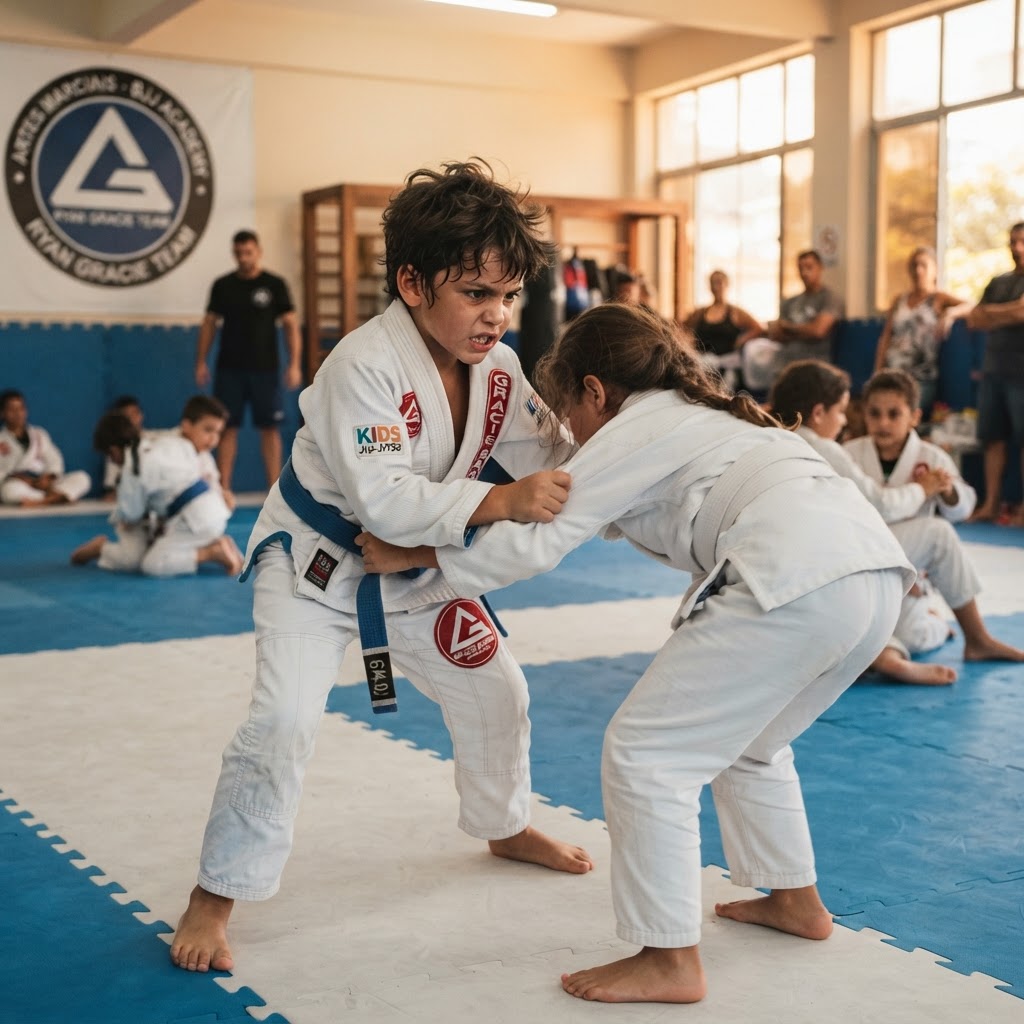
BJJ focuses on ground-based grappling, positional control, and submissions. Instead of punching or kicking, kids learn to use leverage and technique to control a larger, stronger opponent. This makes it one of the most practical forms of anti-bullying martial arts training available.
Pros: Highly effective for self-defense, builds confidence through live sparring (rolling), teaches problem-solving under pressure, minimal risk of head injuries from strikes.
Cons: Can be physically demanding, requires close contact with training partners (which some kids need time to get used to).
2. Karate
Karate is a traditional striking art that emphasizes punches, kicks, and blocks. It's widely available and well-known, making it a common first choice for parents.
Pros: Builds discipline and respect, widely accessible, good for coordination and flexibility.
Cons: Striking-based techniques are less practical for real self-defense situations involving larger opponents. Kids may not learn how to handle being grabbed or held down.
3. Taekwondo
Taekwondo is a Korean martial art known for its dynamic kicking techniques. It's an Olympic sport and popular in kids' programs nationwide.
Pros: Excellent for flexibility and leg strength, competitive opportunities, strong emphasis on discipline.
Cons: Heavy focus on high kicks, which can be impractical in close-quarters self-defense. Limited ground fighting or grappling skills.
4. Judo
Judo is a Japanese grappling art focused on throws and takedowns. It shares some DNA with BJJ but emphasizes standing techniques over ground control.
Pros: Great for balance and body awareness, teaches falls safely (ukemi), strong competitive structure.
Cons: Throws can be hard on growing bodies if not properly supervised. Less focus on ground control and submissions, which is where most real self-defense situations end up.
5. Wrestling
Wrestling is one of the oldest and most physically demanding sports in the world. It builds incredible strength, conditioning, and mental toughness.
Pros: Builds grit and work ethic, excellent takedown skills, widely available through school programs.
Cons: No submission techniques or self-defense applications beyond takedowns. Can be intimidating for younger or smaller kids. Competitive culture may not suit every child. For more on the relationship between wrestling and BJJ, check out our guide on how wrestling improves Brazilian jiu-jitsu.
Why Brazilian Jiu-Jitsu Is the Best Martial Art for Kids
Now that we've compared the major options, let's dive deeper into why BJJ specifically earns the title of best martial arts for kids — especially for families in Waynesboro, Fishersville, Charlottesville, and the broader Shenandoah Valley.
1. Real Anti-Bullying Skills That Actually Work
Bullying is a concern for every parent. The reality is that most childhood bullying involves pushing, grabbing, or holding — not punching. Anti-bullying martial arts training in BJJ teaches kids exactly how to handle these situations. They learn to escape from grabs, maintain positional control, and de-escalate without throwing a single strike.
Unlike striking arts, BJJ gives kids a way to defend themselves that doesn't require hurting the other child. A kid who knows BJJ can control a bully physically without escalating the situation — and that confidence alone often prevents bullying before it starts. Our kids self-defense classes focus on exactly these scenarios.
2. Confidence Through Competence, Not Trophies
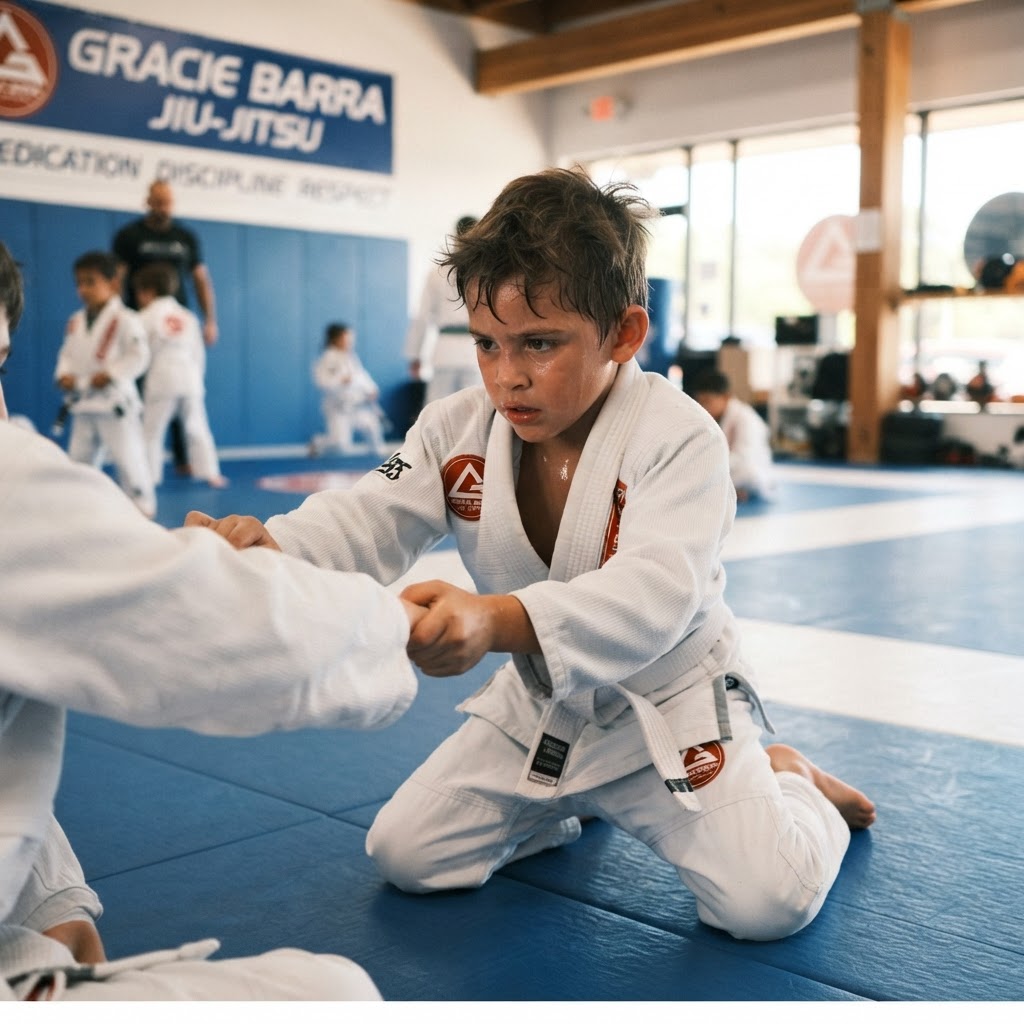
One of the most powerful martial arts for kids confidence benefits comes from BJJ's live training model. In every class, kids "roll" — they spar at controlled intensity against resisting partners. They learn that they can handle pressure, that technique beats size, and that losing a position isn't the end of the world.
This builds a deep, earned confidence. It's not confidence from a belt color or a trophy — it's confidence from knowing, "I've been in tough spots on the mat and I figured it out." That self-belief transfers to the classroom, social situations, and every challenge life throws at them.
3. Leverage Over Strength: Perfect for Kids of All Sizes
Brazilian jiu-jitsu was literally designed to allow a smaller, weaker person to defend against a larger, stronger attacker. This principle makes it ideal for kids. A 60-pound child can use proper technique to escape from or control someone twice their size.
This is a game-changer for smaller kids who might feel vulnerable. In kids martial arts classes at Skyline Jiu-Jitsu, we regularly see shy, smaller children transform into confident, capable young grapplers who walk taller and speak up for themselves.
READY TO TRY BRAZILIAN JIU-JITSU?
Claim a FREE trial class at Skyline Jiu-Jitsu today!
Serving Waynesboro, Charlottesville, Fishersville & the Shenandoah Valley
4. Problem-Solving on the Mat
BJJ is often called "physical chess" because every position presents a new problem to solve. Should I sweep or escape? Should I go for the submission or maintain control? This constant decision-making sharpens kids' minds and teaches them to think under pressure.
Parents consistently report improvements in focus, problem-solving, and even academic performance after their kids start training. If you're considering BJJ for your child, our guide on what parents should know before the first class covers everything you need to prepare.
5. A Supportive Community and Positive Culture
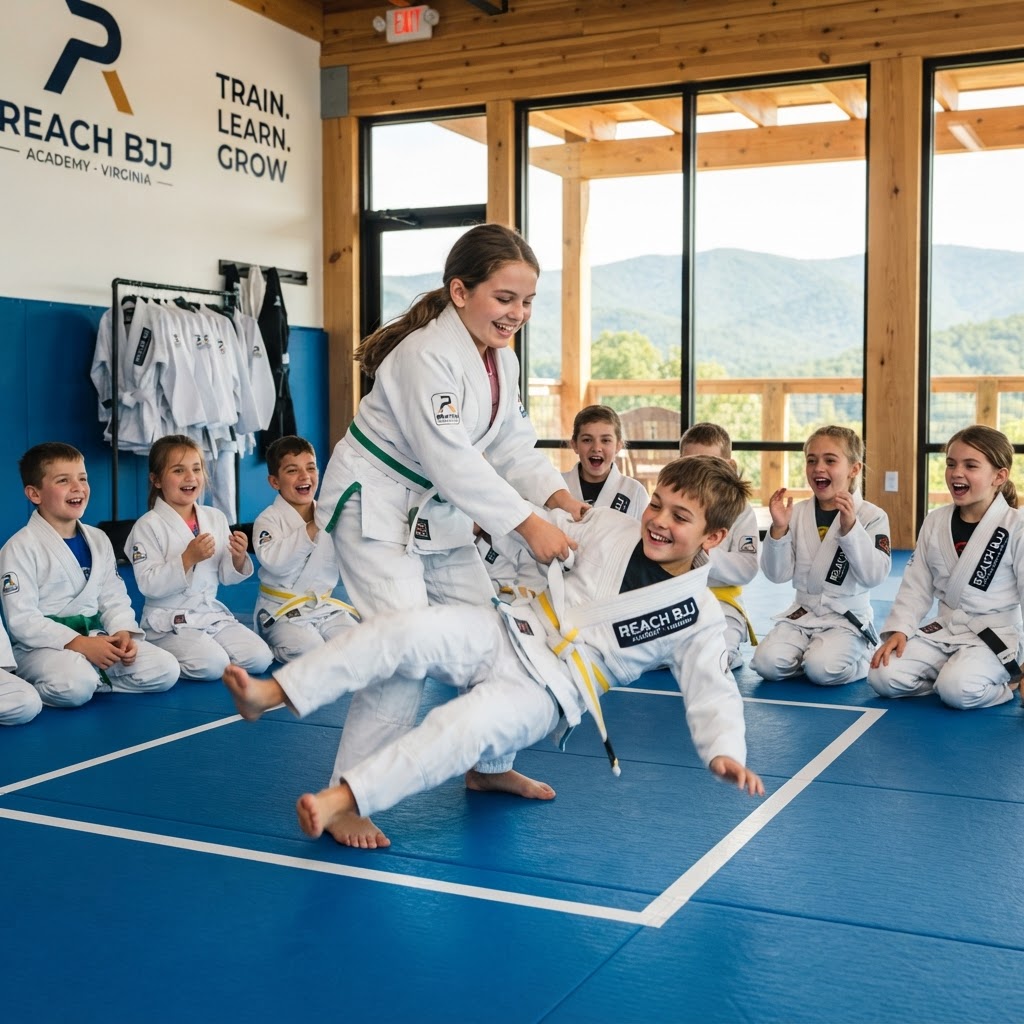
Beyond the techniques, Brazilian jiu-jitsu for kids fosters a unique culture of respect and camaraderie. Kids train together, help each other learn, and celebrate each other's progress. There's no "tough guy" posturing — just a group of young people working hard and having fun together.
At Skyline Jiu-Jitsu in Waynesboro, our kids' program is built on values: respect, discipline, perseverance, and kindness. We're proud to serve families from Waynesboro, Fishersville, Staunton, Charlottesville, and throughout the Shenandoah Valley.
What Age Should Kids Start Martial Arts?
One of the most common questions parents ask is, "When should my child start martial arts?" For Brazilian jiu-jitsu specifically, most kids can begin around age 5-6, when they have enough body awareness and attention span to follow instructions.
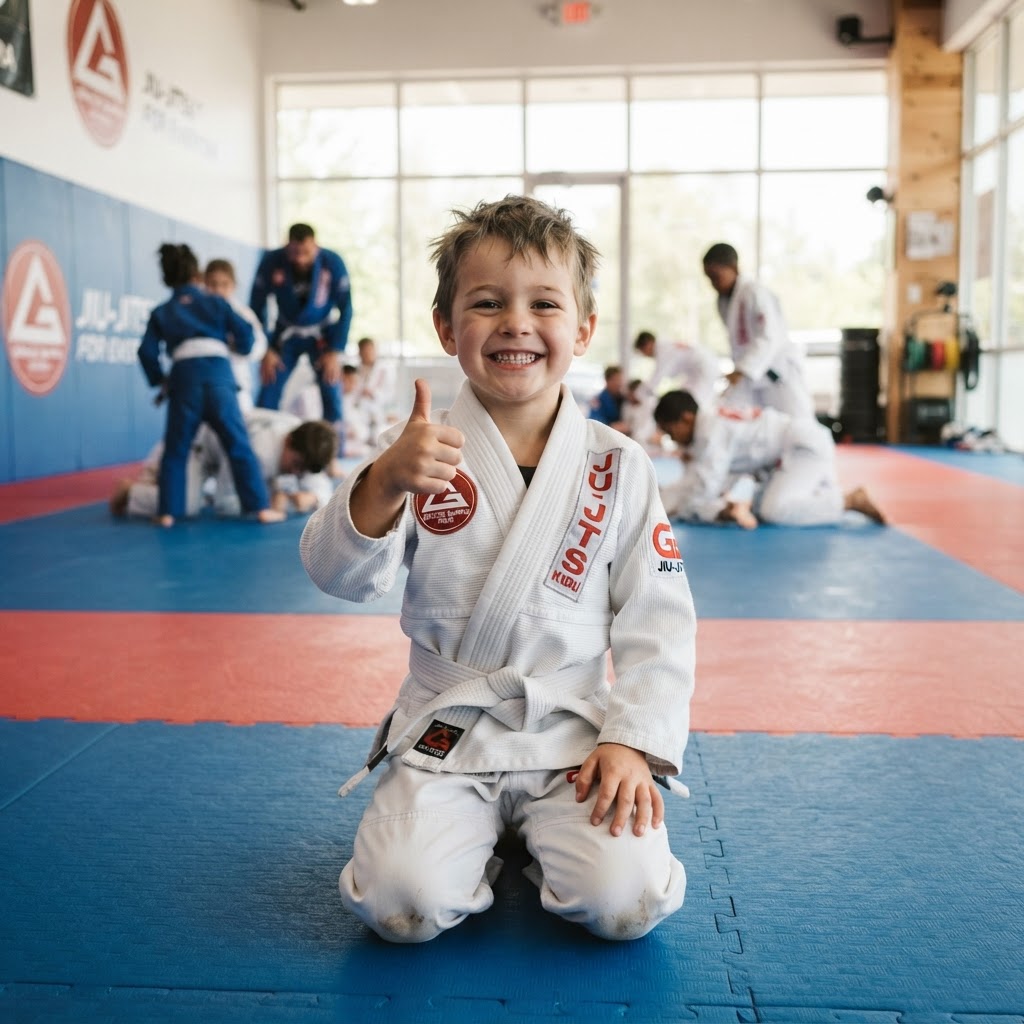
At Skyline Jiu-Jitsu, we structure our kids' classes by age and skill level so every child trains at an appropriate pace. Younger kids focus on movement, balance, and basic positions through games and play-based drills. Older kids progress into more technical training and live sparring.
It's never too early — or too late — to start. Whether your child is 5 or 15, BJJ has something to offer. If you're looking for a program in the area, our guide to finding jiu-jitsu for kids near you walks through what to look for in a kids' program.
How to Choose the Right Kids Martial Arts Program in Waynesboro
Choosing the best martial arts for kids also means choosing the right academy. Here's what to look for:
- Instructor experience with kids: Teaching children requires patience, energy, and a different approach than teaching adults. Look for instructors who genuinely enjoy working with kids.
- Clean, safe facility: Mats should be clean and well-maintained. The gym should have clear safety protocols.
- Structured curriculum: A good program has a clear progression system so kids can see their growth and stay motivated.
- Free trial class: The best academies offer a free trial so your child can experience the class before you commit.
- Positive culture: Watch a class. Are the kids having fun? Is the instructor encouraging? Do the advanced students help the beginners?
At Skyline Jiu-Jitsu, we tick all these boxes. Our coaches are passionate about helping kids grow through BJJ, and we offer a free trial class so your child can see for themselves. Want to learn more about what makes our program different? Check out our article on why martial arts for kids is the best extracurricular activity.
Brazilian Jiu-Jitsu vs. Other Kids Activities: The Verdict
Parents often weigh martial arts against other extracurricular options like soccer, dance, or gymnastics. Here's the honest truth: every activity has value. But BJJ offers something most don't — practical self-defense skills combined with character development that lasts a lifetime.
A soccer season ends. A dance recital comes and goes. But the confidence, discipline, and self-defense ability your child gains from Brazilian jiu-jitsu stays with them forever. If you're planning your child's fall schedule, our guide on back-to-school activities and after-school programs shows how BJJ fits perfectly into the school year routine.
Frequently Asked Questions
What is the best martial art for a 5-year-old?
Brazilian jiu-jitsu is an excellent choice for 5-year-olds because it focuses on movement, balance, and body awareness rather than striking. Kids this age learn through play-based drills and games that keep them engaged while building foundational skills.
Is BJJ safe for kids?
Yes. When taught by qualified instructors in a structured program, BJJ is one of the safest martial arts for kids. There's no striking (punching or kicking), and techniques are taught progressively with safety as the top priority.
How often should kids train BJJ?
For beginners, 2-3 classes per week is ideal. This provides enough repetition to build skills without overwhelming young bodies or schedules. As kids progress, they may want to train more frequently.
Does BJJ help with bullying?
Absolutely. BJJ is widely regarded as one of the most effective anti-bullying martial arts because it teaches kids to control situations without striking, escape from grabs, and — most importantly — carry themselves with the confidence that discourages bullying in the first place.
What should my child wear to their first BJJ class?
For a free trial class, comfortable athletic clothing is fine — a t-shirt and shorts or sweatpants. No special equipment needed. If your child decides to join, we'll help you get set up with a gi (the traditional BJJ uniform).
Related Posts
- Kids BJJ Classes: What Parents Should Know Before the First Class
- Kids Self-Defense Classes: How BJJ Helps Children Stay Safe and Confident
- Jiu Jitsu for Kids Near Me: How to Choose the Right Program in Waynesboro, VA
- Why Martial Arts for Kids Is the Best Extracurricular Activity for Focus and Discipline
- Back to School Activities for Kids: Why Jiu-Jitsu Builds Confidence and Focus
READY TO TRY BRAZILIAN JIU-JITSU?
Claim a FREE trial class at Skyline Jiu-Jitsu today!
Serving Waynesboro, Charlottesville, Fishersville & the Shenandoah Valley